
Is Your Wi-Fi Holding Your Home Back? The Foundation of Every Smart Space
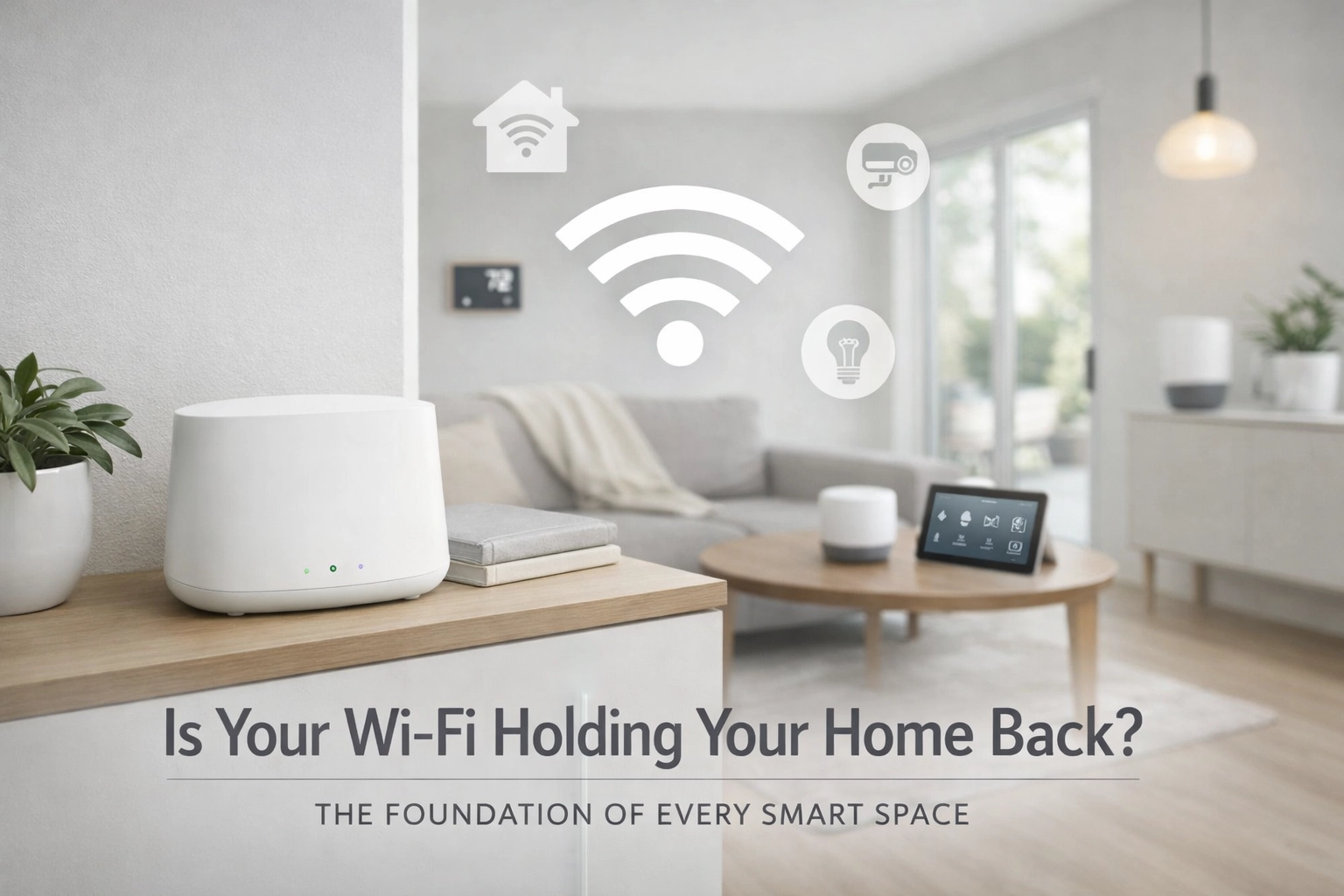
There's a certain irony in watching your smart lights stutter to life three seconds after you've flicked the switch, or hearing Alexa apologise for the third time because she "didn't quite catch that." We've arrived at a peculiar moment in domestic evolution where our homes are brimming with intelligence, yet somehow struggling to think clearly. The culprit, more often than not, isn't the gadgets themselves: it's the invisible infrastructure that connects them all, quietly buckling under the weight of our ambitions.
Your Wi-Fi network is the circulatory system of your smart home. And if it's anaemic, every brilliant piece of kit you've invested in becomes little more than an expensive ornament.
The Digital Plumbing Nobody Talks About
When people think about home automation, they picture voice-controlled lighting, automated blinds that respond to sunrise, or security cameras that send alerts to their phones. What they don't picture is the miles of copper and fibre threading through walls, or the router humming away in a cupboard under the stairs: yet this is where the magic actually begins.
We call it digital plumbing, and like the pipes behind your walls, it's utterly unglamorous until something goes wrong. The difference between a home automation system that feels like sorcery and one that feels like a chore often comes down to whether someone took the time to get the foundations right.
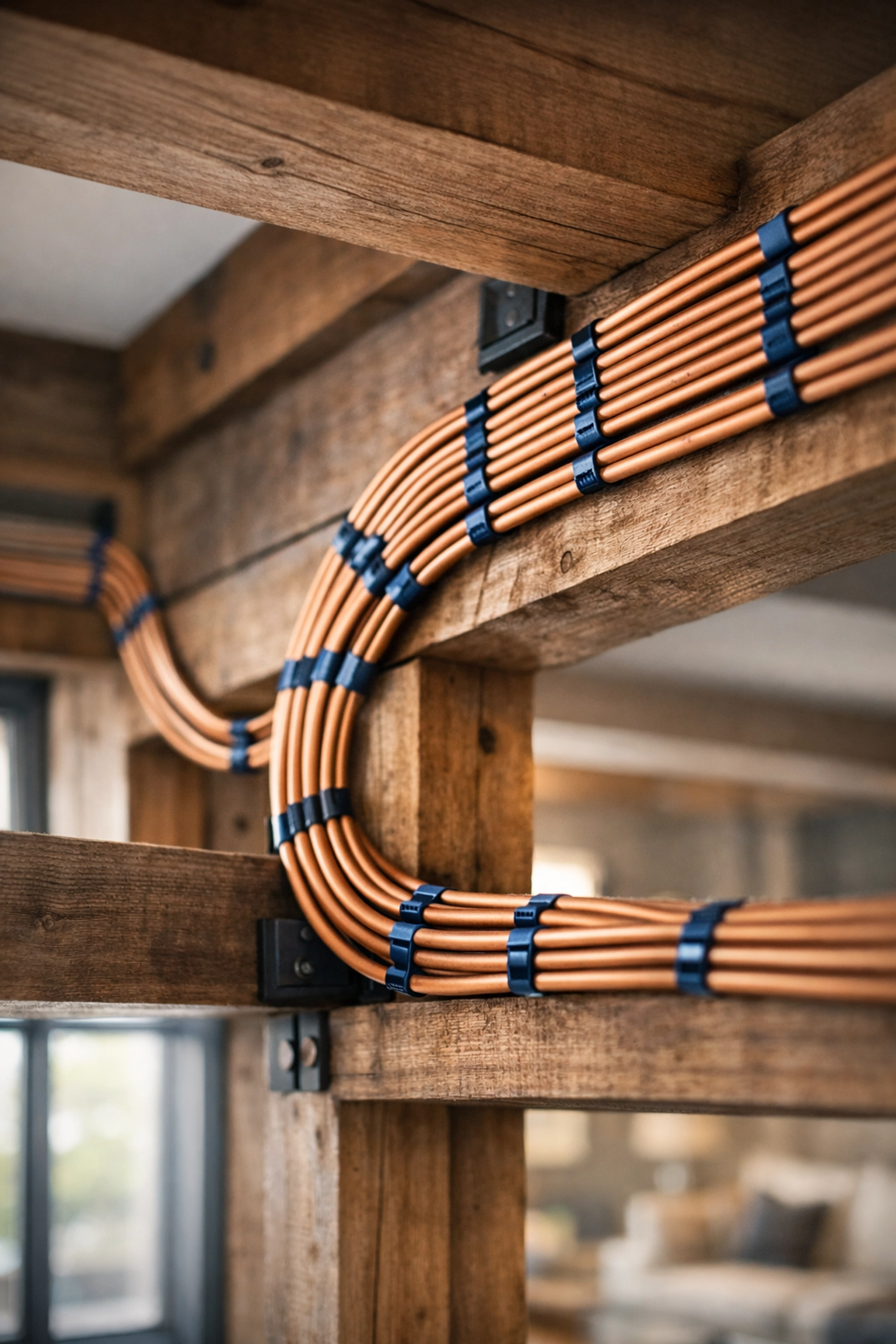
Most homes are built on consumer-grade infrastructure: the router your internet service provider sent you, perhaps with a mesh pod or two scattered about to patch up the dead zones. For checking emails and streaming the odd Netflix series, that's perfectly adequate. But the moment you introduce a smart doorbell, a handful of security cameras, lighting control across three floors, and perhaps a multi-room audio system, you're asking that little ISP router to perform feats it was never designed for.
Why Your ISP Router Isn't Enough
Here's the uncomfortable truth: that free router from your broadband provider is the technological equivalent of builder's-grade fixtures. It does the job: technically: but it's not built for performance, reliability, or scale. ISP routers typically offer:
- Limited device capacity (most struggle beyond 20-30 connected devices)
- Basic security features that leave your smart home vulnerable
- Poor signal distribution across larger properties
- No prioritisation of bandwidth-intensive devices
- Firmware updates that arrive sporadically, if at all
Professional-grade networking hardware, on the other hand, treats your home like the sophisticated connected environment it's becoming. Enterprise-level access points provide seamless roaming: meaning you can walk from your kitchen to your bedroom mid-video call without your connection dropping. They offer dedicated bands for high-bandwidth devices, robust security protocols, and the capacity to manage 50, 100, or even 200+ devices without breaking a sweat.
Structured Cabling: The Unsung Hero
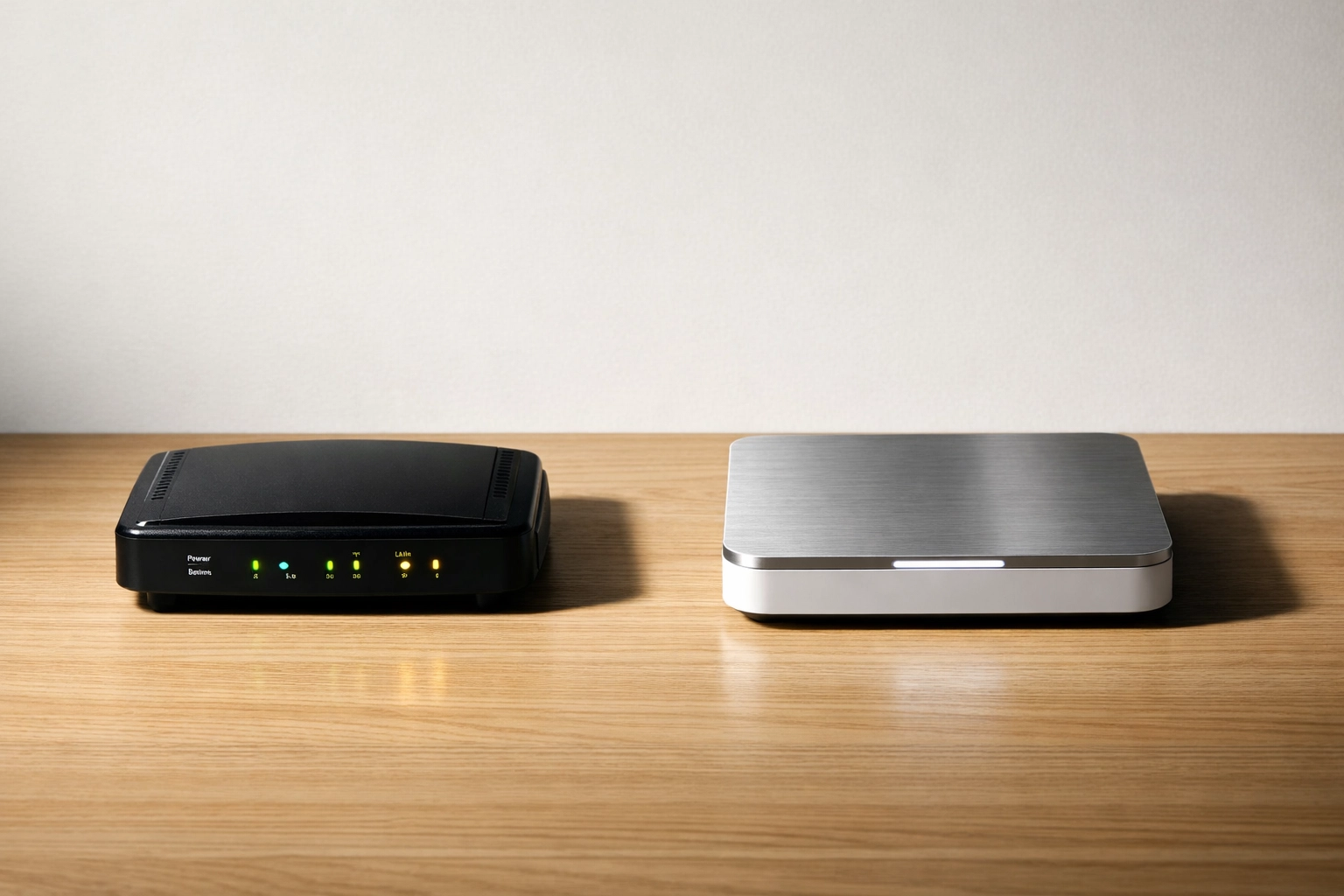
There's a prevalent myth that wireless means "no wires necessary." In reality, the most reliable wireless networks are built on a backbone of carefully planned structured cabling. This is where Cat6 or Cat6a ethernet cables run through walls during installation, connecting high-bandwidth devices directly to your network and providing stable backhaul for wireless access points positioned throughout your home.
Think of it this way: your Wi-Fi is for things that move: smartphones, tablets, laptops. Everything else: your 4K television, gaming console, streaming box, desktop computer, even your Wi-Fi access points themselves: should be hardwired where possible. Not only does this free up wireless capacity for devices that genuinely need it, but it also eliminates the buffering, lag, and connectivity drops that plague wirelessly-connected streaming devices.
When we design a home automation system at Liv., structured cabling isn't an afterthought: it's the first conversation. Where will your entertainment devices live? How many rooms need coverage? What future expansion might you want? These questions shape everything that follows, because retrofitting proper cabling after the fact is exponentially more difficult and expensive.
The Bandwidth Battle: High-Consumption Culprits
Not all smart devices are created equal when it comes to bandwidth consumption. A smart light bulb might use 0.1 Mbps: barely a trickle. A video doorbell, meanwhile, can consume 2-4 Mbps when actively streaming, and a single 4K security camera can demand upwards of 8 Mbps.
Multiply that across four or five cameras running continuously, add in a couple of teenagers streaming gaming content to their rooms, throw in video calls for good measure, and suddenly your 50 Mbps broadband connection is struggling to keep pace. The result? Your smart home starts feeling decidedly unintelligent: lights that respond sluggishly, voice commands that time out, security footage that buffers at precisely the wrong moment.
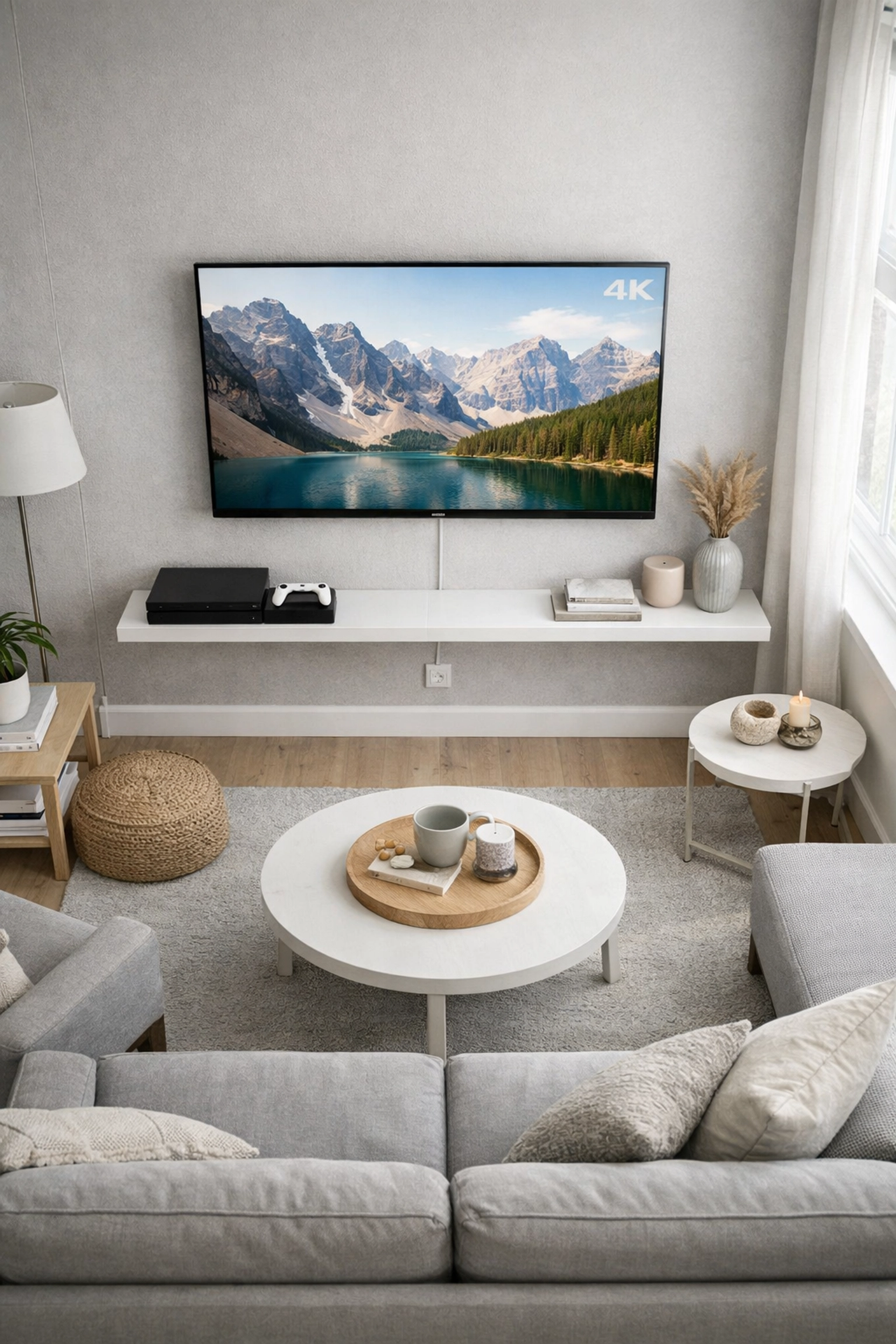
This is why we advocate for hardwiring your bandwidth-hungry devices. Your living room television doesn't need to compete with your smartphone for wireless bandwidth. Your home office desktop shouldn't be drawing from the same wireless pool as your children's tablets. By reserving wireless capacity for genuinely mobile devices, you create a far more stable and responsive environment for your entire home automation ecosystem.
Seamless Roaming: Moving Without Interruption
One of the most frustrating aspects of poor wireless design is the dreaded "room hop disconnect": that moment when you walk from one side of your house to the other and your phone stubbornly clings to a distant access point rather than connecting to the closer one. Your video call freezes. Your music cuts out. Your smart home app loses connection.
Professional-grade wireless systems employ intelligent roaming protocols that handle these transitions seamlessly. Your devices automatically connect to the strongest signal as you move through your home, without you noticing a thing. It's the difference between feeling like you're managing technology and technology quietly managing itself in the background: which is rather the point of home automation, isn't it?
Future-Proofing Your Investment
The average UK household had 10 connected devices in 2020. That figure is projected to reach 50 by 2030. Your home automation system isn't static: it's an evolving ecosystem that grows with your needs and available technology.
This is where thoughtful infrastructure pays dividends. When we install structured cabling, we're not just thinking about today's requirements: we're anticipating tomorrow's possibilities. That spare ethernet port in your lounge? It might serve a smart TV today and a virtual reality hub tomorrow. The additional access point we positioned in your hallway? It's handling twenty devices now, but it could manage fifty without complaint.

Emerging technologies like Wi-Fi 7 promise even greater bandwidth and lower latency, but they still rely on that fundamental backbone being properly designed and implemented. You can upgrade your access points in three years' time; upgrading the cabling behind your walls is a rather different proposition.
The Liv. Approach: Integration, Not Installation
What separates a professionally installed home automation system from a DIY collection of smart gadgets isn't any single device: it's the integration of all those devices into a cohesive, reliable network designed from the ground up to support them. We approach every project by first understanding the invisible infrastructure required, then building outward from there.
It's not the glamorous part of home automation. There are no sleek touchscreens or voice assistants to demonstrate here. But ask anyone living in a home where the network was an afterthought, and they'll tell you: the foundation matters more than anything that sits atop it.
Your Wi-Fi shouldn't hold your home back. With the right infrastructure, it becomes the invisible enabler of everything your smart home can be: responsive, reliable, and ready for whatever comes next. That's not just good technology. That's technology that knows its place: working brilliantly in the background whilst you get on with living.